Quiz PL-300: Microsoft Power BI Data Analyst
Quiz
transactional data. The business requires near real-time analytics with sub-second query response times, but
the IT department wants to minimize the load on the database server during peak hours. After evaluating the
data volume and refresh requirements, you need to recommend a storage mode.
Which storage mode should you implement?
Quiz
values scattered throughout the dataset. Additionally, some rows have customer IDs stored as text strings
like "CUST-001" while others are stored as pure numeric values like "123". Before you can use this column as
a foreign key to join with a customer dimension table, you must resolve these inconsistencies.
Which steps should you take? (Select all that apply.)
Quiz
see only North America region data, while the Marketing team needs to see only EMEA region data. Both
teams use the same underlying fact table. You have already created the necessary role-playing dimensions
and established the relationship cardinality correctly.
What should you implement to enforce this security requirement?
Quiz
showing transaction details by customer, and a clustered column chart comparing regional performance.
Users report that when they click on a region in the column chart, the line chart updates (correctly filtering to
that region), but the transaction details table also filters unexpectedly and becomes nearly empty.
Investigation reveals that the table should remain unfiltered by region to show all customer transactions
regardless of region.
What configuration change should you make to resolve this issue?
Quiz
transactions, and you need to create a time-based analysis that shows year-to-date (YTD) sales, month-t-
-date (MTD) sales, and comparisons to the same period last year (PY). The organization operates across
multiple time zones and fiscal calendars, so a standard calendar year approach is insufficient.
What is the best approach to support these time intelligence requirements?
Quiz
Shortly after publication, a data quality issue is discovered in the underlying semantic model. The issue
affects a critical revenue measure, and you must update and republish the model immediately. After you
republish the corrected semantic model, you discover that the report's visual displays are refreshed, but
several reports created by other team members that reference this semantic model appear to show stale
data.
Which actions should you take to ensure all downstream reports reflect the corrected data? (Select all that
apply.)
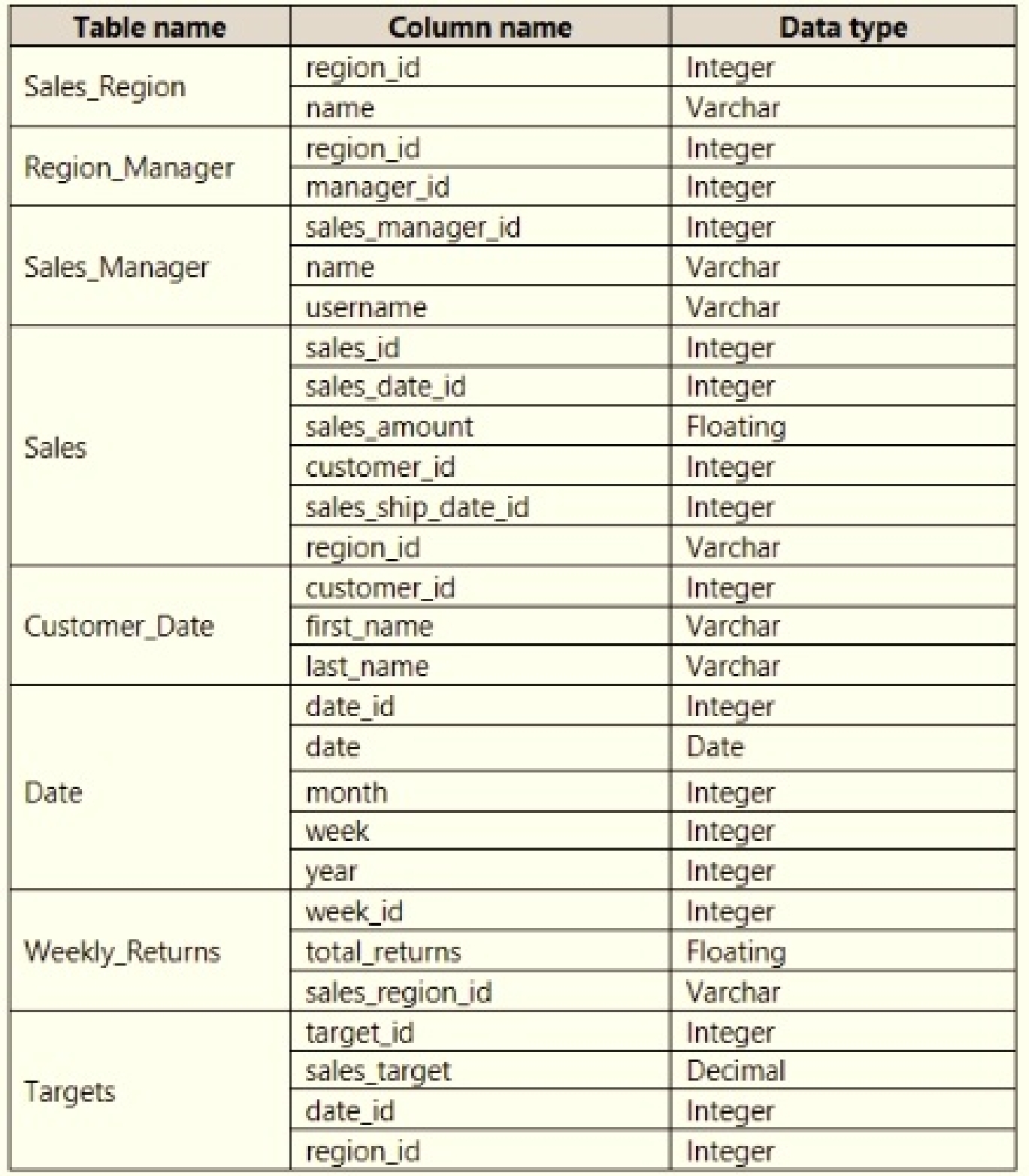
Quiz
Editor?
Quiz
DAX expression should you use?
Quiz
you can create the relationship?
Quiz
PL-300: Microsoft Power BI Data Analyst Practice test unlocks all online simulator questions
Thank you for choosing the free version of the PL-300: Microsoft Power BI Data Analyst practice test! Further deepen your knowledge on Microsoft Simulator; by unlocking the full version of our PL-300: Microsoft Power BI Data Analyst Simulator you will be able to take tests with over 464 constantly updated questions and easily pass your exam. 98% of people pass the exam in the first attempt after preparing with our 464 questions.
BUY NOWWhat to expect from our PL-300: Microsoft Power BI Data Analyst practice tests and how to prepare for any exam?
The PL-300: Microsoft Power BI Data Analyst Simulator Practice Tests are part of the Microsoft Database and are the best way to prepare for any PL-300: Microsoft Power BI Data Analyst exam. The PL-300: Microsoft Power BI Data Analyst practice tests consist of 464 questions and are written by experts to help you and prepare you to pass the exam on the first attempt. The PL-300: Microsoft Power BI Data Analyst database includes questions from previous and other exams, which means you will be able to practice simulating past and future questions. Preparation with PL-300: Microsoft Power BI Data Analyst Simulator will also give you an idea of the time it will take to complete each section of the PL-300: Microsoft Power BI Data Analyst practice test . It is important to note that the PL-300: Microsoft Power BI Data Analyst Simulator does not replace the classic PL-300: Microsoft Power BI Data Analyst study guides; however, the Simulator provides valuable insights into what to expect and how much work needs to be done to prepare for the PL-300: Microsoft Power BI Data Analyst exam.
BUY NOWPL-300: Microsoft Power BI Data Analyst Practice test therefore represents an excellent tool to prepare for the actual exam together with our Microsoft practice test . Our PL-300: Microsoft Power BI Data Analyst Simulator will help you assess your level of preparation and understand your strengths and weaknesses. Below you can read all the quizzes you will find in our PL-300: Microsoft Power BI Data Analyst Simulator and how our unique PL-300: Microsoft Power BI Data Analyst Database made up of real questions:
Info quiz:
- Quiz name:PL-300: Microsoft Power BI Data Analyst
- Total number of questions:464
- Number of questions for the test:50
- Pass score:80%
You can prepare for the PL-300: Microsoft Power BI Data Analyst exams with our mobile app. It is very easy to use and even works offline in case of network failure, with all the functions you need to study and practice with our PL-300: Microsoft Power BI Data Analyst Simulator.
Use our Mobile App, available for both Android and iOS devices, with our PL-300: Microsoft Power BI Data Analyst Simulator . You can use it anywhere and always remember that our mobile app is free and available on all stores.
Our Mobile App contains all PL-300: Microsoft Power BI Data Analyst practice tests which consist of 464 questions and also provide study material to pass the final PL-300: Microsoft Power BI Data Analyst exam with guaranteed success. Our PL-300: Microsoft Power BI Data Analyst database contain hundreds of questions and Microsoft Tests related to PL-300: Microsoft Power BI Data Analyst Exam. This way you can practice anywhere you want, even offline without the internet.
BUY NOW